
How Modern Composers Stay Profitable
Are modern composers going broke? If you feel like you’re scoring more and earning less, you’re not imagining it. The economics around how modern composers stay profitable composing for film, series, games, and short-form content have shifted fast: there’s more demand than ever, but budgets are often sliced thinner, timelines are compressed, and the paperwork that protects your income can fall through the cracks unless you treat your work like a creative business from the first brief to the final film score delivery.
That doesn’t mean the sky is falling for modern composers, it means the middle is getting squeezed, and the composers who win are the ones who price with intention, scope with guardrails, and build repeatable systems for discovery, delivery, and payment.
Here’s a helpful chart to get you started with price estimates. These ranges reflect composing-only fees; final price still depends on rights, revisions, live players, mixing/Atmos, and rush timelines.
| Project Type | Beginner USD / min | Intermediate USD / min | Experienced USD / min |
|
Small Project (Simple Jingles, Short Explainers) |
$50 – $150 | $150 – $300 | $300 – $600+ |
|
Medium Project (Corporate Videos, Short Films, Podcasts) |
$100 – $250 | $250 – $600 | $600 – $1,200+ |
|
Large Project (Feature Films, AAA Games, Major Commercials) |
$250 – $600 | $600 – $1,500 | $1,500 – $5,000+ |
Notes that move the needle
-
- Ranges assume typical productivity (a few finished minutes per day depending on complexity).
- Rates usually exclude buyouts, live recordings, union players, studio costs, stems/alt mixes, and Atmos deliverables (price those as add-ons).
- Scope smartly: set revision caps (e.g., 2–3 creative + 1 technical), define rights (territory/term/media), and include rush fees if deadlines are tight.
- Consider minimums (e.g., a floor fee for ultra-short briefs) so micro cues don’t undercut your day rate.
The pressure is real (and why it’s happening)
Streaming and short-form platforms have created an endless appetite for content, which sounds like a dream for music composers, until you realize that many productions expect turnaround times measured in hours, not days, and music priced at “library” levels, even when the brief calls for custom narrative work. Add in buyouts and all-in deals that trade a quick upfront fee for an expansive rights grab, and you can watch your long-tail income evaporate, even as your cue count goes up.
Then there’s scope creep: without clear revision caps and change-order language, “one more alt” becomes four more days, and suddenly your rate makes no sense against the clock. Attribution gaps compound the issue; if cue sheets aren’t submitted accurately and on time, royalties go missing, and that hurts the very composers doing the heavy lifting for film music and episodic storytelling. Finally, discovery isn’t just “post your reel and wait”, great work gets buried without positioning (genres, moods, instruments, project types) that helps the right creators find you at the right moment.
How to protect your time and your income
Start where most music composer jobs go sideways: the quote. Build tiered estimates that separate main score, stems, alt mixes/cutdowns, and Atmos or spatial deliverables; when the scope grows, the budget grows with it, and everybody knows why. Lock revisions up front, two to three creative rounds plus one technical pass is industry-standard, and make extra passes billable, not emotional.
Get serious about licensing clarity: define rights (where, how long, which media), exclusivity, and any buyout terms in plain language that matches the contract PDF; uncertainty here is where money goes to die. Watermark your previews, version your files, and document every approval so you can point to what shipped, and when. Finally, diversify the work mix: custom film score cues and series work are great, but micro-sync, premium libraries that actually pay, select concert commissions, and education can stabilize cash flow while you build higher-value client relationships.
How Compozly helps (so you can focus on the art of composing)
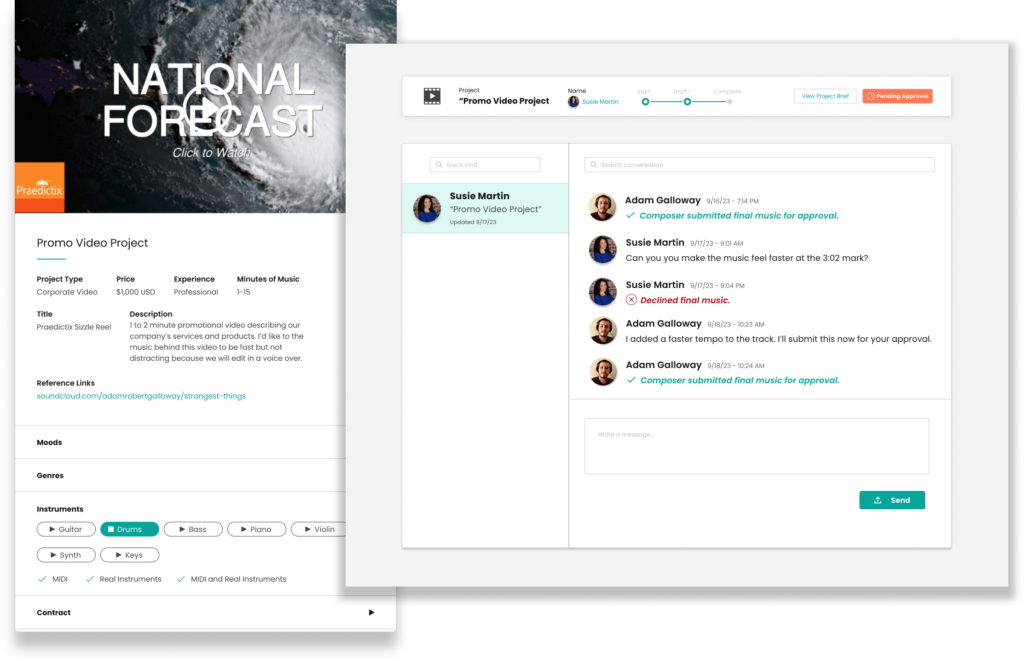
On Compozly, payments run through Stripe with two milestone releases, one after first-draft approval and one after final delivery, so you’re not chasing invoices while trying to hit picture-lock. Discovery is built for creative fit, not spam: creators can filter by genre, mood, instrument, and project type, message you directly from your profile, and start a project with protections already in place; if you’re on Maestro or Pro, you’re prioritized to the top of results so serious clients see you first.
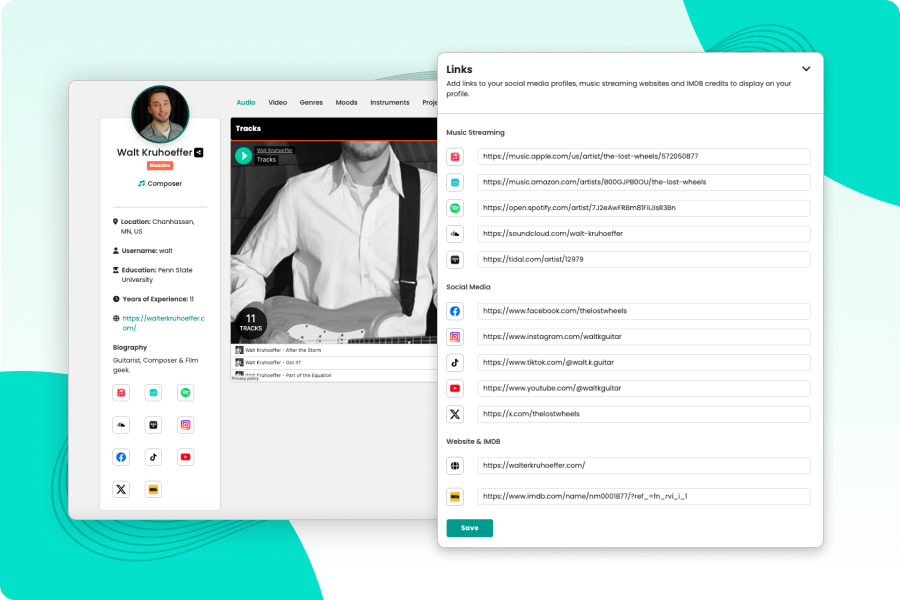
Your profile is your storefront: embed SoundCloud sets (playlists) or a YouTube reel, add IMDb credits, and write a bio that speaks to your lane as a film composer; starting January 1, 2026, completed profiles (photo, bio, tags, and at least one embedded media or credits link) are required to surface on the Discover page, which keeps the marketplace curated and helps the best work rise. Every collaboration includes baked-in milestones, revision structure, and clear licensing terms, so scope stays sane and everyone knows exactly what’s being delivered.
Bottom line
Composers aren’t “going broke,” but the middle is tighter; the ones who thrive treat composing like a creative business: price in tiers, define revisions, license cleanly, document everything, and keep a diversified pipeline. Platforms that enforce structure and protect payments, like Compozly, give you the runway to do your best work and get paid for it.
Quick recap
-
- Market reality: more content, smaller budgets, faster turnarounds.
- Big risks: buyouts, scope creep, missing cue sheets, weak discovery.
- Your fixes: tiered pricing, capped revisions, explicit licensing, version control, diversify income.
Compozly perks: milestone escrow via Stripe, skill-forward discovery, profile embeds (SoundCloud/YouTube/IMDb), and structured projects that respect your time.
Take your composing career to the next level
Create your free account to access new features. Get StartedRelated Articles
Composer Quirks That Spark Creativity
Reading time: 2 minutes
True bite-size quirks that spark creativity famous composers. Steal the ones that make your scoring better today.

How Film Composing Has Evolved from 2000 to 2025
Reading time: 5 minutes
From rooms full of hardware to laptops and Atmos mixes, film music has shifted from analog workflows to hybrid, collaborative, always-on creation.

How to Compose Sci-Fi Music for Film
Reading time: 5 minutes
How to Compose Sci-Fi Music for Film

© 2025 Compozly, LLC ALL RIGHTS RESERVED